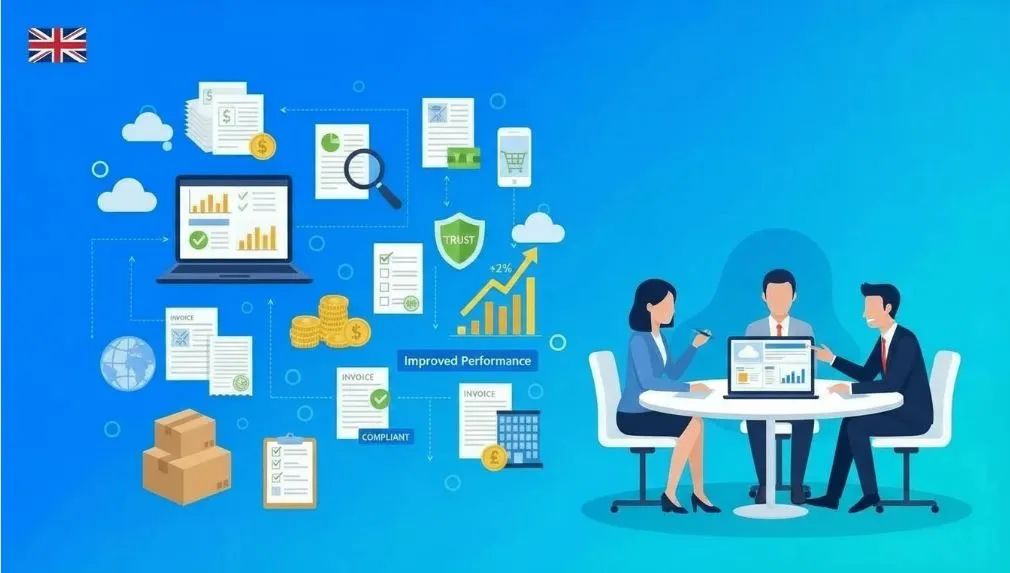
The United Kingdom’s income tax system has been progressing toward a fully digitalised system for a while now. Many Directors of Limited Companies followed familiar processes when complying with their tax requirements, such as keeping proper records and preparing annual company accounts, and filing tax returns at specific intervals. However, with nearly completed digitisation of the taxation process, these practices have changed and evolved to some degree over time.
Therefore, as HM Revenue and Customs (HMRC) continues to progress with its digital agenda, “Making Tax Digital” (MTD) for Limited Companies is evolving from being just an idea into reality and something that Limited Company directors need to consider. However, it can be difficult for Limited Company directors to understand exactly what has changed and what hasn’t. This guide is meant to explain what’s involved in understanding MTD for Limited Companies through what is currently available.
What is Making Tax Digital (MTD)?
Making Tax Digital is HMRC’s plan, which will convert tax reporting to digital systems rather than using manual processes and systems. The main reason for this change is to ensure that records of business transactions are kept in a digital format, that tax returns will be submitted via approved software and that the number of errors created through the manual entry of data into tax returns are reduced, which will also speed up the return processing time and there will be less likelihood of receiving penalties for incorrect submissions.
How Does MTD Apply to Limited Companies?
Yes, MTD applies to limited companies, but only for certain taxes.
MTD For VAT
You are required to record your sales, purchases and expenses digitally as a result of MTD for VAT. Digital links must be maintained as part of MTD for VAT. This means that you cannot take information from spreadsheets and enter it on a VAT return manually. You will be required to submit your VAT returns via approved software such as Xero, QuickBooks, Sage or FreeAgent in order to comply with MTD for VAT requirements.
You will only be required to comply with MTD for VAT if your business has a turnover of £90,000 or more. If your turnover is under the VAT threshold and you are not VAT registered, then you will not have to comply with any of the requirements of MTD for VAT when you achieve VAT registration.
MTD For Corporation Tax
Right now, corporation tax is not covered by MTDC. So, a limited company can still compute their corporation tax each year and file its CT600 Return as it has always done. They do not need to provide quarterly digital updates. HMRC has suspended plans for implementing MTDC for Corporation Tax and has no information regarding an expected start date for this programme.
As per their new 2025 Roadmap published by HMRC, they will not introduce MTD for Corporation Tax shortly due to the diverse nature of limited companies. Therefore, it would be unfeasible for them to impose an identical quarterly reporting system on all limited companies regardless of their size (some being one director, some being multi-national corporations with thousands of employees).
What is Changing from April 2026?
The change will directly affect all limited companies in the UK, regardless of how big or small they are or whether they are VAT registered or unregistered. From the 31st March 2026, the combined Companies House and HMRC online filing system will cease to operate. From 1st April 2026, limited companies will have to digitally submit their (CT600) Company Tax Returns along with all associated accounts using only commercially approved software products.
HMRC has produced a list of approved software providers, which includes Xero, Sage, QuickBooks and numerous specialist Corporation Tax software systems. A note regarding the previous free online filing system: after 31st March 2026, no new filings can be accepted, and no files will be available for download. Penalty fees for filing late are only to get stricter. Beginning on 1st April 2026, every late CT600 will incur an automatic fine of £200, and it will continue to increase the longer you are late. It is therefore imperative that you take action as soon as possible to ensure compliance with these new regulations.
What Limited Companies Should Do Now?
Even though the MTD does not currently affect Corporation Tax. All limited companies should still be keeping their records digitally. The MTD will also not currently apply to Corporation Tax. However, it does apply to VAT and is fully enforced. Having a good digital system in place allows the company to maintain accurate records throughout the year, reduces the number of errors made at the end of the year, makes it simpler for the company to comply with VAT regulations, and provides the company with a clearer perspective of its profits and tax liabilities.
Practical Steps to Get Your Limited Company Ready Before April 2026
You should not delay it until March 2026. You have to prepare your limited company for the new change by following these steps:
- Audit your current setup: Check that the software you are using is on HMRC’s approved list for Corporation Tax filing.
- Talk to your accountant early: Many firms are offering migration help packages. The good one will handle the switch properly, test submissions and train your team.
- Budget for software costs: You have to maintain the budget for paid software. You cannot use free software for CT filings, but the paid options often save time and reduce errors enough to cover the fee.
- Test a dummy submission: you should submit a dummy filing. So, you can find glitches earlier.
- Keep great digital records anyway: Even without full MTD for CT, HMRC likes clean and searchable records if they ever enquire.
Common Misunderstandings
Here are some points that often cause confusion and misunderstanding:
- MTD does not replace corporation tax returns
- Limited companies do not need to submit quarterly corporation tax reports
- MTD does not increase tax or change tax rates
How Reflex Accounting Can Help?
Reflex Accounting helps Limited Companies stay compliant with Making Tax Digital without drowning you in complex processes or jargon. We combine specialist Limited Company support with modern, cloud-based systems so you stay organised, compliant and ready for future changes.
Here’s how we support your Limited Company with MTD:
- MTD-ready VAT and filings: We ensure your VAT submissions go through fully MTD‑compatible software and are filed correctly and on time, so you avoid HMRC penalties and last‑minute stress.
- Set-up of cloud accounting software: We help you choose, set up and customise MTD‑compatible tools (such as Xero or similar), including bank feeds, chart of accounts, and invoice templates tailored to your business.
- Clean, digital record‑keeping: We review and tidy historic data, put workflows in place for capturing invoices/receipts digitally, and make sure your records are audit‑ready all year round.
- Ongoing VAT, Corporation Tax and Companies House compliance: We prepare your statutory accounts and Corporation Tax returns, align them with your digital VAT records, and handle Companies House deadlines so everything ties together smoothly.
- Forward‑looking management accounts and dashboards: We turn your MTD data into clear monthly or quarterly reports and dashboards, so you can see profits, cash flow and tax liabilities in real time – not just once a year.
- Proactive tax and MTD change updates: We monitor HMRC updates on MTD and broader tax rules, then let you know what actually affects your Limited Company and what you need to do next.
If you’d like help getting your Limited Company MTD‑ready (or checking whether your current setup is compliant), you can reach our specialist Limited Company team here:
- Learn more about our Expertise for Limited Companies: https://reflexaccounting.co.uk/who-we-serve/accountants-for-limited-companies/
- Get in touch for a quick Call or send a message: https://reflexaccounting.co.uk/contact-us/
Faqs:
Q.1 What digital records must I keep for VAT under MTD?
Your limited company must keep VAT records in digital form, including business details, VAT charged on sales, VAT paid on purchases, and the total VAT due for each return period. These records must be submitted to HMRC using MTD-compatible software.
Q.2 What happens if I don’t comply with MTD for VAT?
If you do not comply with MTD rules, HMRC may issue penalties. This can happen if you do not keep proper digital records or submit VAT returns outside the approved software. Staying compliant helps to avoid penalties and reporting issues.
Q.3 Are there exemptions from MTD for VAT?
Exemptions are limited and only applicable where it is not reasonably practical to use digital systems, such as due to age, disability or insolvency. HMRC must approve any exemption.
Q.4 Will my limited company need to use MTD for Corporation Tax?
Currently, making tax digital for corporation tax is not mandatory. Companies still file corporation tax annually through the existing system. But maintaining digital records now will make any future changes easier to manage.